
Blog Posts on Reparenting, Trauma Healing, and Emotional Security
Explore articles by psychologist Dr. Lara Barbir on reparenting, inner child work, EMDR for depression, and the psychology of breaking generational cycles.
These articles explain how childhood experiences shape adult emotional patterns, relationships, and parenting styles and how healing those patterns creates emotionally secure individuals, families, and future generations. Topics frequently discussed include:
reparenting and inner child work
trauma-informed approaches to depression
emotional regulation and nervous system healing
breaking generational cycles in families
building emotionally secure relationships
These resources are designed to help readers understand their emotional patterns and begin the process of healing and reparenting themselves.

The Shapeshifter Child: Why You Lose Yourself to Keep Relationships
Discover how The Shapeshifter (Chameleon) Child develops, why so many adults lose themselves in relationships, and how reparenting helps you reconnect with your authentic self.

The Child Who Became the Therapist
Discover how The Child Who Became the Therapist develops, why so many adults become emotional caretakers, and how reparenting can help you stop carrying responsibilities that were never yours.

The Peacemaker Child: Why Conflict Feels So Terrifying
Do you avoid conflict, people-please, or feel responsible for everyone’s emotions? Learn how the Peacemaker Child role develops and how reparenting helps heal it.
Fear of Abandonment vs. Fear of Engulfment: Why Relationships Feel So Confusing
Do you fear being abandoned—or consumed in relationships? Learn the difference between abandonment and engulfment wounds and how reparenting helps heal both.

The Parentified Child: Why You Grew Up Feeling Responsible for Everyone
Did you grow up feeling responsible for everyone else’s emotions? Learn how parentification shapes adulthood—and how to begin healing through reparenting and EMDR.

The Golden Child: Why Being “Perfect” Didn’t Heal You
Were you the “Golden Child”? Learn how perfectionism and conditional love shape adult anxiety—and how to heal through reparenting.

The Fixer Child: Why You Feel Responsible for Everything
If you’ve ever wondered, ‘why do I feel responsible for everyone?’—this may help explain why.

The Invisible Child: Why Some Adults Feel Like a Burden
Do you feel like a burden in relationships? Learn how childhood emotional neglect and the “invisible child” shape adult self-worth—and how to heal.
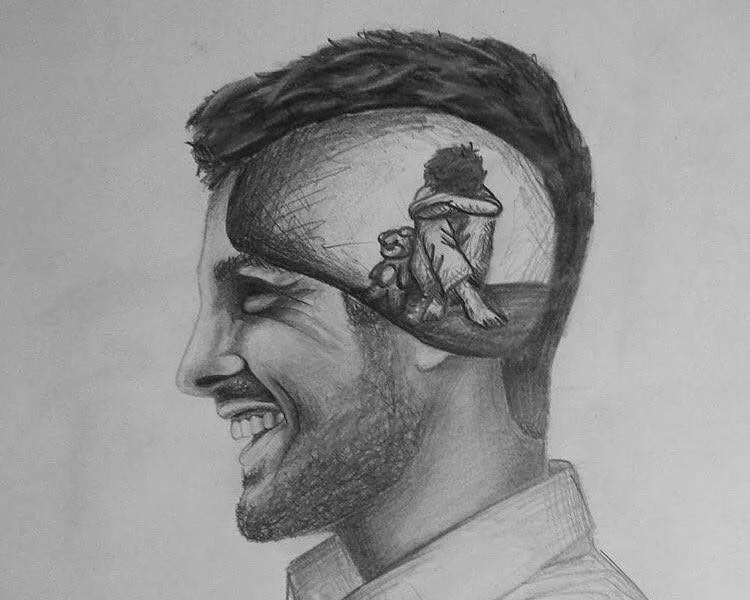
The “Strong One” in the Family: How Childhood Roles Create Hyper-Independence
Were you the “strong one” growing up? Learn how unmet childhood needs create hyper-independence, why asking for help feels hard, and how reparenting can help you heal.
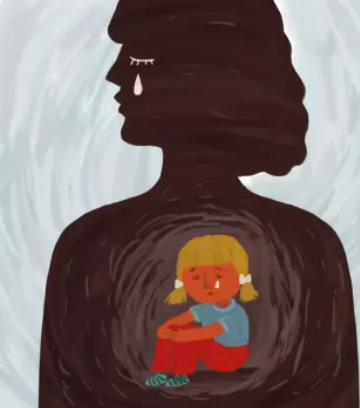
Why You Feel Guilty All the Time (And It’s Not What You Think)
Struggling with chronic guilt or constant self-blame? Learn how childhood conditioning and trauma create hyper-responsibility — and how to heal guilt through reparenting and nervous system work.

The 5 Childhood Needs That Shape How You Parent Today
Learn the five core childhood needs that shape parenting reactions, emotional regulation, and trauma patterns — and how reparenting helps heal them.

You Can’t Think Your Way Out of Trauma — Here’s What Actually Heals It
If insight alone healed trauma, most people wouldn’t still feel stuck.

What Reparenting is NOT (And Why It’s So Often Misunderstood)
Reparenting has become a popular term in mental health spaces — and with that popularity has come a lot of confusion.