
Blog Posts on Reparenting, Trauma Healing, and Emotional Security
Explore articles by psychologist Dr. Lara Barbir on reparenting, inner child work, EMDR for depression, and the psychology of breaking generational cycles.
These articles explain how childhood experiences shape adult emotional patterns, relationships, and parenting styles and how healing those patterns creates emotionally secure individuals, families, and future generations. Topics frequently discussed include:
reparenting and inner child work
trauma-informed approaches to depression
emotional regulation and nervous system healing
breaking generational cycles in families
building emotionally secure relationships
These resources are designed to help readers understand their emotional patterns and begin the process of healing and reparenting themselves.

The Shapeshifter Child: Why You Lose Yourself to Keep Relationships
Discover how The Shapeshifter (Chameleon) Child develops, why so many adults lose themselves in relationships, and how reparenting helps you reconnect with your authentic self.

The Child Who Became the Therapist
Discover how The Child Who Became the Therapist develops, why so many adults become emotional caretakers, and how reparenting can help you stop carrying responsibilities that were never yours.
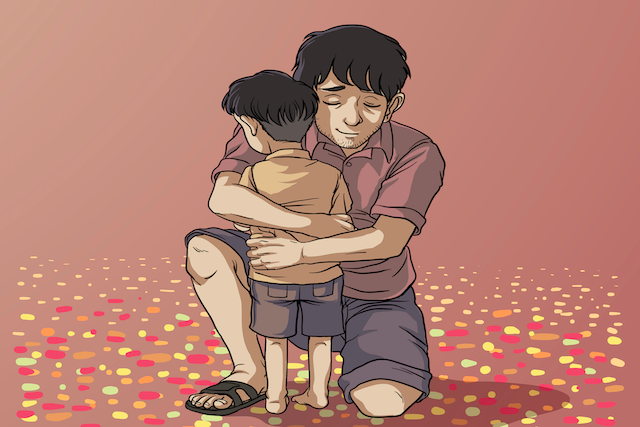
The Overachiever Child: Why Success Never Feels Like Enough
Learn how the Overachiever Child develops, why high achievers struggle with self-worth, perfectionism, and burnout, and how reparenting can help you heal the belief that your value depends on achievement.

5 Signs Your Inner Child is Healing (Not Just Coping)
Psychologist Dr. Lara Barbir explains 5 signs your inner child is actually healing—not just coping—including boundaries without guilt, nervous system regulation, and self-compassion.

You Can’t Think Your Way Out of Trauma — Here’s What Actually Heals It
If insight alone healed trauma, most people wouldn’t still feel stuck.

What Shame Really Is — And How It Shows Up in Parenting
Shame says:
“There’s something wrong with me.”
Guilt says:
“I did something wrong.”